There is a particular moment in Croatia—usually between March and May—when the country feels most itself. The summer crowds have not yet arrived, the landscape is awake but unhurried, and daily life moves at a pace that allows for conversation, observation, and detail. For experienced travellers, this pre-season period reveals a version of country that often goes unnoticed.
Here’s why visiting Croatia before the peak summer months is such a great idea:
1. Travel at a Human Scale
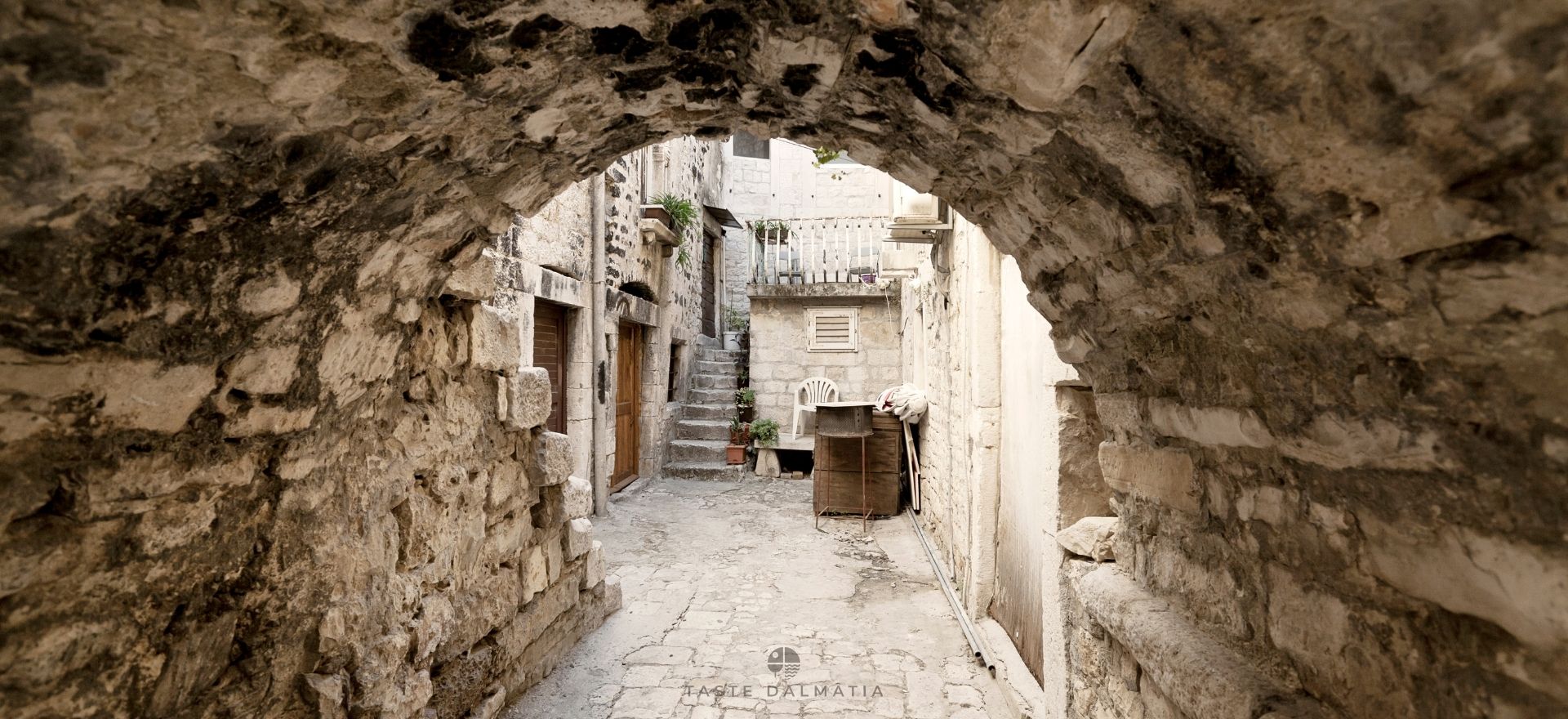
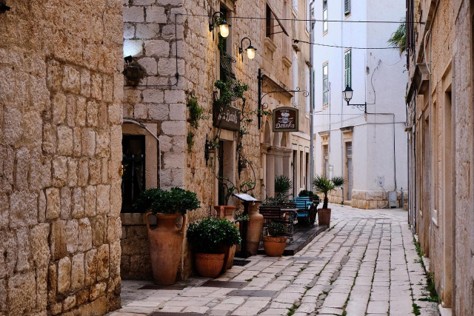
Historic cities such as Pula, Dubrovnik, Split, and Šibenik function differently in spring. Streets are quieter, museums are navigable, and mornings belong to locals. Hospitality feels personal and intimate, with more opportunities for direct conversation with the hosts.
2. Seasonal Cuisine as Cultural Context
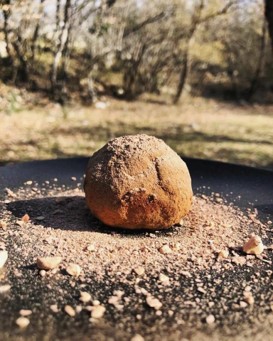
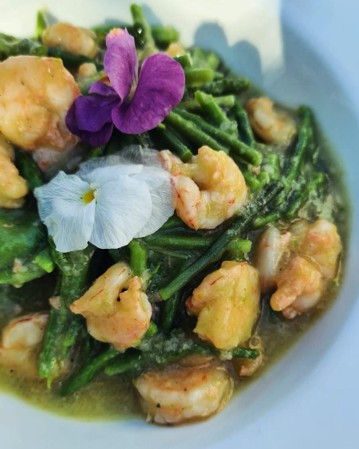
In the pre-season, Croatian cuisine follows the calendar closely. Spring lamb and wild asparagus in Istria and Dalmatia, river fish and fresh dairy in the north, early herbs and young olive oils along the coast—menus are shaped by availability rather than trend. This is when chefs, winemakers, and producers are most accessible, and when meals often come with stories. Long lunches, regional wines, and traditional techniques are part of everyday life, not curated experiences.
3. Looking Beyond the Coast
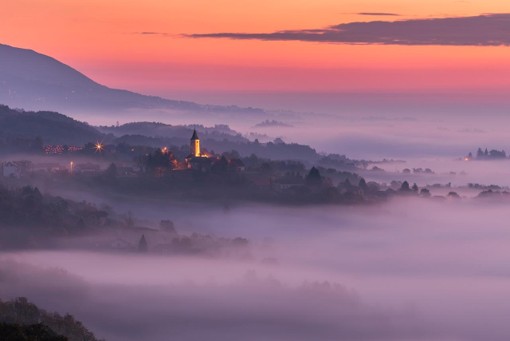
Spring is the ideal time to explore regions such as Zagorje, Slavonia, Međimurje, and the capital Zagreb and its surroundings. While the Adriatic remains a strong draw, northern and inland Croatia offer a quieter form of appeal: vineyard-covered hills, baroque town centres, thermal spas, and restored manor houses turned into boutique stays.
Nature Without Crowds
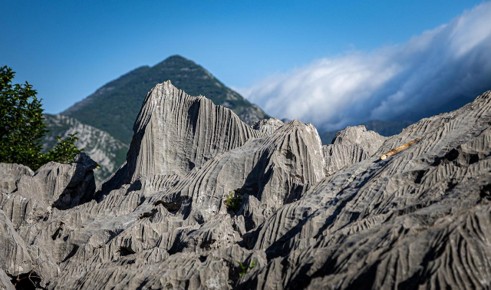
Famous national parks, mountains, forest, and rural landscapes are at their most atmospheric in early spring. With thoughtful timing and local insight, even Croatia’s most iconic landscapes feel personal.
Why Pre-Season Matters?
From a DMC perspective, pre-season travel supports long-term sustainability, preserves quality, and creates space for genuine exchange between visitors and hosts. It is also when Croatia’s unique layered identity becomes most evident.